Hemp-Derived CBD Oil: Benefits, Uses & Legality

An independent, non-promotional look at Hemp-Derived CBD Oil: what it is, how CBD actually works, what the research supports, the risks, and smarter alternatives — written for readers, not for sales.
What Hemp-Derived CBD Oil actually is
Hemp-Derived CBD Oil is marketed online as a CBD oil product positioned around pure, unadulterated plant wellness. Before we look at any health claim, it is worth slowing down and being precise about what this product actually is on a label level. Most listings describe it as a hemp-derived cannabidiol formulation, typically a blend of CBD extract, a carrier base, sweeteners (in the case of gummies), and a small set of botanical or vitamin ingredients used for flavor, color, and shelf stability.
Not all hemp oil is the same. Many consumers confuse cheap hemp seed oil (which contains no CBD) with genuine hemp-derived CBD extract. The challenge for any reader trying to evaluate Hemp-Derived CBD Oil is that the brand name appears across a confusing range of websites, landing pages, and re-skinned storefronts. The packaging photography, the testimonial structure, and the layout of the order form are nearly identical to dozens of other CBD gummy brands sold online — a pattern that consumer-protection researchers have repeatedly flagged as the hallmark of so-called "white-label" CBD funnels.
In plain English: Hemp-Derived CBD Oil is most likely one of many private-label CBD products manufactured by a small number of contract producers and then re-branded under different names for different audiences. That does not automatically make the product unsafe or ineffective, but it does mean that the brand name itself tells you almost nothing about quality, potency, or ingredient sourcing. To understand what you are actually buying, you have to look past the brand and at the underlying formulation.
→Browse all CBD product reviews in our libraryHow CBD works in the body
Cannabidiol, the active compound at the center of any CBD product, interacts primarily with the endocannabinoid system — a network of receptors and signaling molecules that helps regulate sleep, mood, appetite, immune response, and pain perception. Unlike THC, CBD does not bind strongly to the CB1 receptor and therefore does not produce intoxication. Instead, it appears to modulate the system more indirectly, influencing how the body's own endocannabinoids are produced, broken down, and recycled.
When you take a CBD oil like Hemp-Derived CBD Oil, the cannabidiol has to survive your digestive tract and a first pass through the liver before it reaches your bloodstream. This is why edible CBD products generally have lower bioavailability than tinctures held under the tongue. It also explains the delayed onset — most people report feeling effects 45 to 90 minutes after a gummy, compared with 15 to 30 minutes for a sublingual oil.
The amount of cannabidiol that actually reaches receptors depends on dose, individual metabolism, whether the product is taken with food, and the quality of the underlying extract. This is the part of the conversation marketing pages tend to skip, because it makes it harder to promise a fast, dramatic effect.
→Read our Complete CBD Knowledge GuideHemp Seed Oil vs. Hemp Extract
A common deceptive marketing tactic is to label a product 'Hemp Oil' when it only contains oil pressed from hemp seeds. Hemp seeds are nutritious, but they contain zero cannabidiol (CBD).
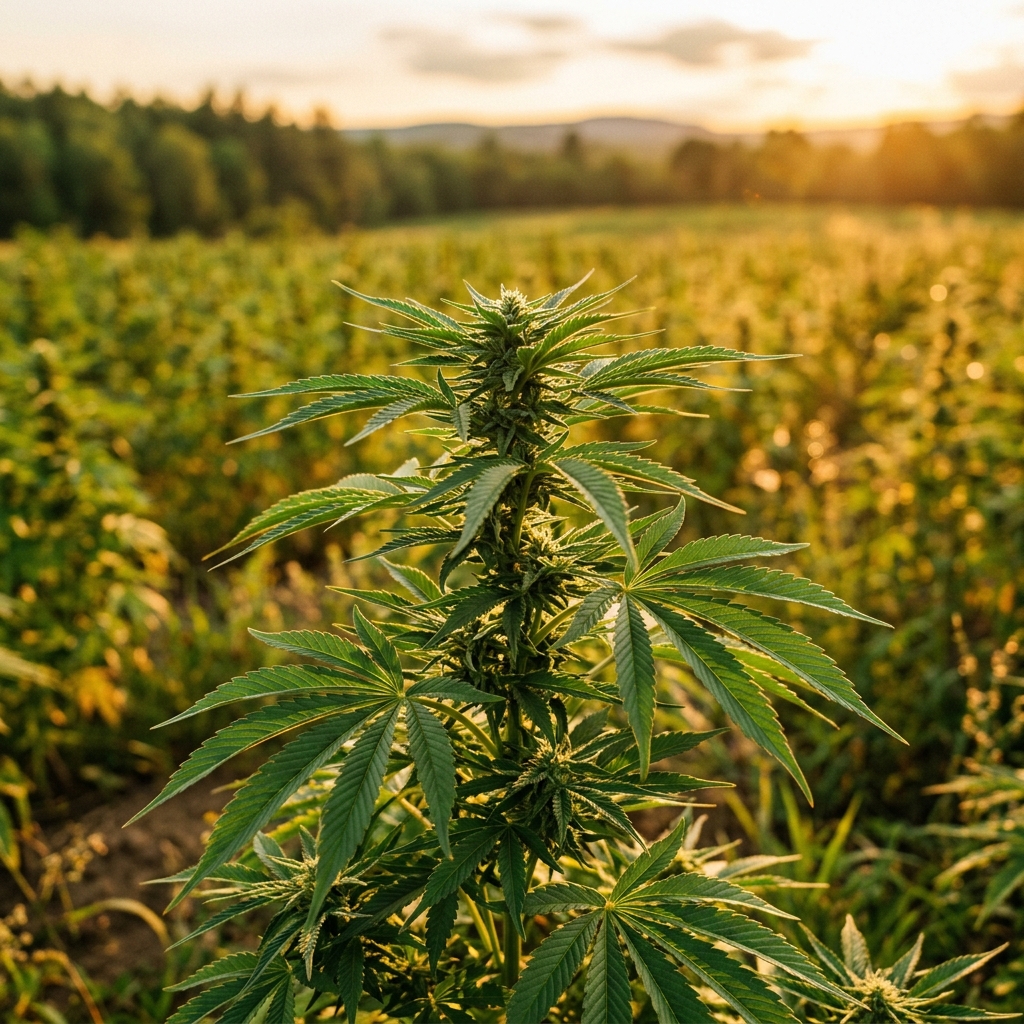
True hemp-derived CBD oil is extracted from the leaves, flowers, and stalks of the hemp plant. For genuine effects, you must ensure the product label explicitly states its CBD content in milligrams (mg).
What the research actually supports
It is important to separate what CBD is being studied for from what it is being marketed for. The strongest published evidence for cannabidiol is in specific, hard-to-treat forms of childhood epilepsy, which is why a purified prescription CBD medication has full regulatory approval in several countries. Beyond that approved use, research is much earlier-stage.
There is growing — but still preliminary — evidence that CBD may help with certain anxiety symptoms, sleep onset, and inflammation-related discomfort. Reviews of the literature consistently call for larger, longer, and better-controlled human trials before any general health claims can be made. Hemp-Derived CBD Oil's own marketing tends to imply benefits that go well beyond what published studies actually demonstrate.
In particular, claims that any CBD gummy can "cure" chronic conditions such as diabetes, dementia, COPD, or erectile dysfunction are not supported by the current evidence base. If a sales page is promising results that sound like a prescription drug, that is a warning sign, not a feature.
→Explore CBD and Health Conditions researchRisks, side effects and interactions
Cannabidiol is generally considered well tolerated in healthy adults, but it is not risk-free. Reported side effects include drowsiness, dry mouth, lightheadedness, gastrointestinal upset, changes in appetite, and — in higher doses — measurable changes in liver enzymes. These risks scale with dose and with how long the product is used.
The most important safety topic is drug interactions. CBD inhibits several cytochrome P450 liver enzymes that metabolize many common medications, including certain blood thinners, antiepileptics, antidepressants, and immunosuppressants. This can cause those medications to build up to higher-than-expected levels in the bloodstream, with real clinical consequences. Anyone on regular prescription medication should speak with a pharmacist or physician before adding any CBD product, including Hemp-Derived CBD Oil.
Pregnant or breastfeeding people, children, and anyone with a serious liver condition should treat over-the-counter CBD products as off-limits unless a clinician explicitly says otherwise. The "natural" framing in CBD marketing does not override basic pharmacology.
→Check CBD legal status in your countryLegal disclaimer
This article is provided for general information only and is not medical advice, a diagnosis, or a treatment recommendation. Nothing on this page should be interpreted as an endorsement of Hemp-Derived CBD Oil or as a suggestion that you should buy, take, or stop taking any product or medication. We do not sell Hemp-Derived CBD Oil and we do not earn a commission from any retailer that does. Always consult a qualified healthcare professional before starting any new supplement, especially if you are managing an existing health condition or taking prescription medication.
The legal status of CBD differs significantly between countries and, in the United States, between individual states. Readers are responsible for checking the current rules in their jurisdiction before purchasing or carrying CBD products.
Smarter alternatives to consider
If you are drawn to Hemp-Derived CBD Oil because of a specific concern — sleep trouble, anxiety, joint discomfort, recovery after exercise — there are usually better-evidenced steps to take first, and any CBD product is more likely to help when it sits on top of those fundamentals rather than replacing them.
- ✓Consistent sleep and wake times, with reduced screen exposure for the final hour of the day.
- ✓Regular movement, even short daily walks, which has substantially stronger evidence than CBD for mood and sleep.
- ✓A conversation with your doctor or pharmacist about whether your symptoms warrant a clinical workup rather than a supplement.
- ✓If you still want to try CBD, choose a brand that publishes a recent third-party Certificate of Analysis showing both potency and contaminant testing.
- ✓Start with a low dose, give it at least one to two weeks, and track how you actually feel rather than relying on memory.
Related Posts


Frequently Asked Questions
What does 'hemp-derived' actually mean?
+
It means the CBD was extracted from industrial hemp plants, which are legally defined in the US as cannabis plants containing 0.3% THC or less by dry weight.
Is hemp-derived CBD oil legal everywhere?
+
While federally legal in the US under the 2018 Farm Bill, state laws vary. Some states restrict certain types of CBD products or require specific labeling.
What is the difference between full-spectrum and isolate?
+
Full-spectrum contains all natural cannabinoids (including trace THC) and terpenes. Isolate is 99% pure CBD with all other plant compounds removed.
How do I take hemp-derived CBD oil?
+
The most effective method is sublingual (under the tongue). Hold the drops there for 60 seconds before swallowing to bypass initial liver metabolism.
Can I cook with hemp CBD oil?
+
Yes, but high heat can degrade the cannabinoids. It is best to add CBD oil to finished dishes, dressings, or smoothies rather than using it for frying.
Stay informed about CBD
New evidence-based guides and reviews delivered occasionally. No spam, unsubscribe anytime.